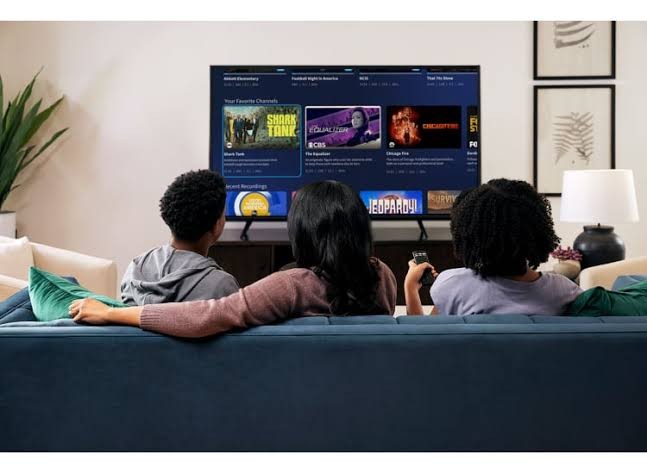
The first time you realize you can watch your local stations in clean HD without paying anyone a monthly fee, it feels like you’ve discovered a loophole. Not a shady one. Just a plain, legal, sitting-right-there-in-the-open loophole called Over The Air TV.
I got reminded of that while poking around for antennas that don’t look like they belong in a 1997 electronics aisle, and I landed on the Slinky Dog Antenna. It’s playful, it’s oddly specific, and it makes a point a lot of people miss: reception is only half the battle. The other half is whether you’ll actually live with the thing where it needs to be.
Because the best antenna in the world does nothing when it’s shoved behind a TV, tucked into a cabinet, or quietly unplugged because someone got tired of looking at it.
What OTA Gives You (That Streaming Still Can’t Quite Replace)
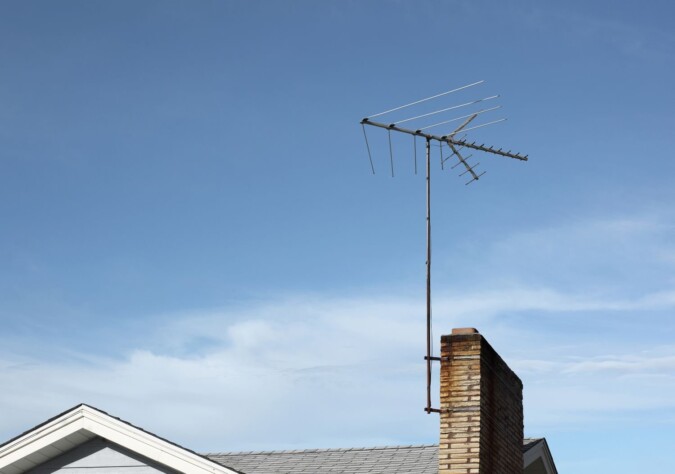
OTA isn’t some nostalgic hobby. It’s practical.
Local news that doesn’t buffer. Major network shows. Sunday football. Emergency weather alerts that show up even when your internet provider decides to take the afternoon off. In a lot of markets, the picture quality is excellent, sometimes better than what you’re getting through a heavily compressed stream.
And you don’t need to “sign in.” No apps, no passwords, no “your plan no longer includes this content.” You connect an antenna, scan channels, and you’re in.
There’s a catch, of course. There’s always a catch.
Reception can be glorious or it can be a pixelated mess that drops right when the game gets good. The difference usually isn’t luck. It’s a handful of choices people don’t realize they’re making.
The Part Nobody Explains Well: It’s Not Just “How Far Am I From Towers?”
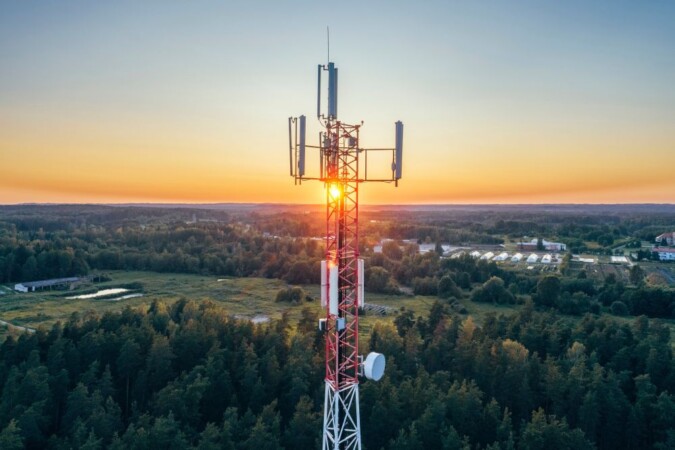
Antenna packaging loves one number: range. 50 miles. 80 miles. 120 miles, sure, why not. It’s marketing candy.
Real life is fussier. Your signal has to get through your neighborhood, your walls, and whatever weird electronic noise is humming inside your house. Then it has to hit your TV tuner in a way your tuner actually likes.
Two key terms matter more than most people expect:
VHF vs UHF
Broadcast channels live on two bands: VHF and UHF. Many stations are UHF, but not all. If one of your major affiliates is VHF and you buy an antenna that’s weak on VHF, you’ll spend weeks blaming the weather, the TV, the moon cycle, anything but the actual issue.
Before buying, check what your local stations use. RabbitEars is a popular tool, and it’s detailed enough to make you feel like you’ve accidentally enrolled in an engineering course. You don’t have to obsess. You just need to know whether your must-have channels are UHF, VHF, or both.
Line of sight (and everything that ruins it)
Hills. Tall buildings. Big trees that look pretty but act like signal sponges. Even your own roof can be a problem if it has radiant barrier insulation or certain metal layers.
That’s why two homes on the same street can have totally different OTA experiences. One family brags about “getting 70 channels,” the other can’t hold NBC for more than ten minutes. It happens.
Choosing the Right Antenna Type Without Overthinking It
You’ve got four common setups. The trick is admitting which one matches your home and your patience level.
Indoor antennas
They’re easy. Stick it near a window, connect coax, scan channels, done.
If you live in a city or close to towers, indoor models can be all you need. That’s the best-case scenario. The not-so-fun part is that your living room is a hostile environment for radio signals. Walls, wiring, LED bulbs, routers, and a tangle of HDMI cables can all introduce interference.
Indoor antennas work best when you can place them high and relatively open. People hate hearing that because it usually means “visible.” Which brings us back to why design sometimes matters more than the internet wants to admit.
Rabbit ears (the old-school kind)
These still have a job, especially for VHF. You can fine-tune them by moving the rods around, which looks silly until it suddenly locks in a channel you couldn’t get otherwise.
If you’re close to towers and you need VHF, rabbit ears remain weirdly effective. They are not subtle. If your home has a strict “no gadgets on display” vibe, this can turn into a domestic negotiation.
Attic antennas
This is the sweet spot for a lot of homeowners. You get height, you avoid weather, and you don’t mount anything outside. When attic reception works, it feels like you cheated.
But attics can be unpredictable. Some roofs block signal more than you’d think. Also, running coax from the attic to the TV cleanly can take longer than you plan. It’s rarely “a quick Saturday morning project” unless you enjoy crawling around insulation.
Outdoor antennas
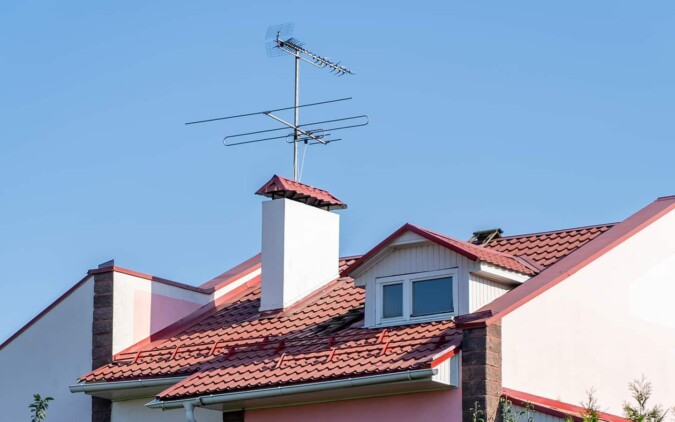
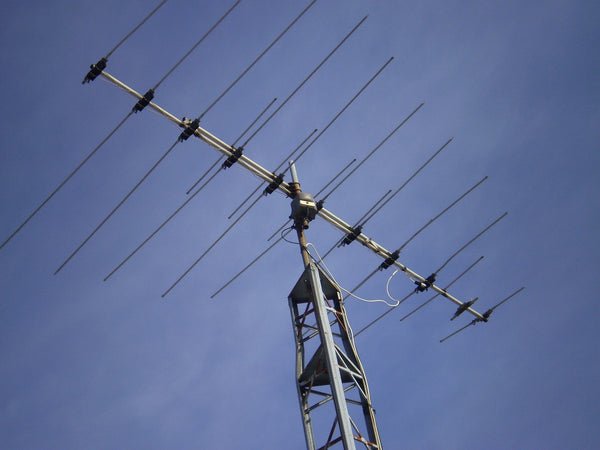
If you’re far from towers or you want the most reliable signal, outdoor is usually the answer. Directional models can pull in weaker stations, but you may need to aim them. Multi-directional antennas trade some reach for convenience.
Outdoor install is not just “screw it in and go.” You should think about grounding and weatherproofing connections. If you’re not comfortable with that, it’s one of those times paying a pro is worth it.
Placement: The Thing That Makes People Quit OTA
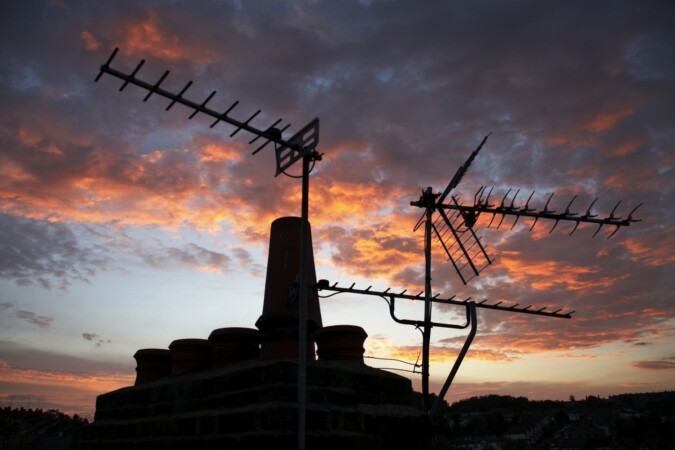
I’ve watched people buy a decent antenna, get frustrated, and give up, all because they treated placement as an afterthought. It isn’t.
A few truths that hold up in the real world:
- Height helps. Not always dramatically, but enough that it’s usually the first lever to pull.
- Windows help, especially if they face the broadcast direction. Some modern windows have coatings that can reduce signal, which is an annoying plot twist.
- Behind the TV is often a bad spot. It’s surrounded by electronics, power cables, and metal, plus it’s low.
- Cabinets and entertainment centers are reception killers. They’re also where antennas go to die.
If you’re indoors, test locations like you’re testing Wi-Fi. Move it, rescan, check stability. Don’t settle for the first scan that finds “some channels.” The goal is consistent channels, not a high number that disappears when the microwave runs.
About Amplifiers: Not a Free Upgrade
Amplified antennas sell the idea that more power equals more channels. Sometimes, yes. Sometimes you just amplify noise, or worse, you overload the TV tuner.
An amplifier can help when:
- Your coax run is long.
- You’re splitting to multiple TVs.
- You’re on the edge of reception and need a small boost.
An amplifier can hurt when:
- You’re already close to towers and signals are strong.
- Your placement is poor and the signal is messy.
- The amp is cheap and poorly filtered.
If your reception is glitchy and you’re using an amplifier, try removing it as a test. It feels wrong. It’s also one of the most common fixes.
The Boring Gear That Actually Matters
Most OTA problems aren’t mysterious. They’re just unglamorous.
Use decent coax. RG6 is the standard. Old, thin, questionable cables introduce loss and noise.
Splitters matter too. Every split costs signal. A simple 2-way splitter might be fine. A 4-way splitter can quietly wreck your setup unless your signal is strong or you use a proper distribution amplifier.
And check connectors. Outdoor connectors corrode. Indoor connectors get loose. A slightly wobbly coax fitting can turn a stable channel into a nightly ritual of “why is it doing this again?”
Scanning Channels: Do It More Than Once, and Don’t Feel Dumb About It
TV tuners store what they last found. Move the antenna and you may need to rescan. People skip this step constantly, then wonder why nothing improved.
If you’re troubleshooting, do this:
- Connect the antenna directly to the TV (no splitter, no amp).
- Run a fresh scan.
- Move the antenna to a second location and scan again.
- Only then start adding splitters or amplifiers back in.
It’s not glamorous. It works.
So, What Should You Buy?
If you want the simplest answer, here it is: buy based on your location, then commit to placement.
- City, close to towers: indoor is often enough. Look for solid UHF performance and VHF support if your stations need it.
- Suburbs, mixed terrain: attic or a stronger indoor setup with careful placement. Don’t assume an amp will save you.
- Rural or fringe areas: outdoor directional antenna, properly mounted, properly connected.
And if aesthetics are the reason you keep “meaning to try OTA” but never do, lean into that. An antenna you’re willing to keep visible is an antenna that has a chance to perform. People can roll their eyes at cute designs all they want, but the living room is where this stuff either works or gets banished.
OTA TV is not complicated. It’s just honest. It rewards a little effort, then pays you back every month you don’t send another bill to a company you barely like. That’s a pretty good trade.