The futuristic weapons in science fiction movies, elaborate pieces of armor and unusual machines seen in television series are often physical objects built specifically for filming. Some contain real metal components, while others use lightweight plastic, foam or resin to create the appearance of something much heavier.
Creating these objects involves prop designers, engineers, sculptors and specialist fabricators.
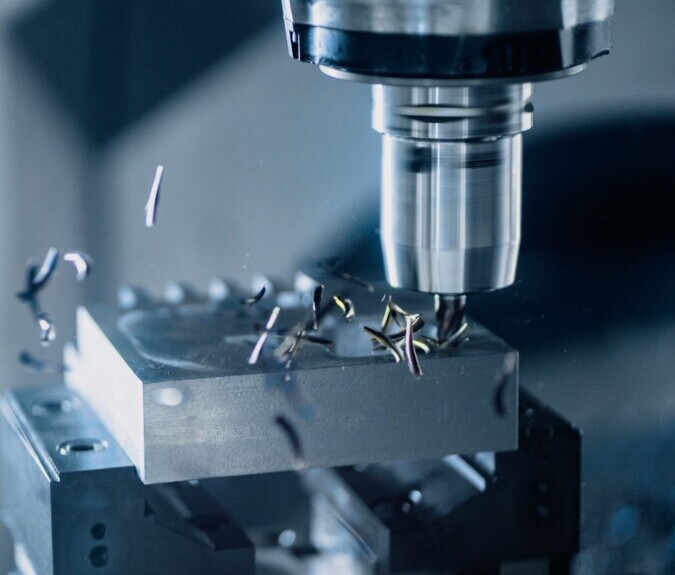
Modern technologies such as 3D printing, CNC machining and laser cutting have made it possible to produce detailed props with greater precision and repeat the same design when several copies are needed.
However, traditional craftsmanship remains essential. Even a prop manufactured using expensive equipment may need hours of painting, sanding and surface treatment before it looks convincing on camera.
How Are Movie and TV Props Designed Before Manufacturing?
Prop production usually begins with a script and a discussion between the director, production designer and props department. The team determines what the object should look like, how actors will interact with it and which scenes require it.
A futuristic communication device might need working buttons and lights for close-up shots. A large mechanical object visible only in the background may need an attractive exterior without functioning internal components.
Designers create sketches, reference images and digital models before selecting manufacturing methods.
Computer-aided design, commonly called CAD, allows them to establish exact dimensions, plan individual components and check how the pieces will fit together.
According to TriMech’s explanation of film prop manufacturing, digital models also help production teams evaluate a design before physical fabrication begins.
Once the design is approved, the workshop can produce a prototype to check its size, appearance and handling.
3D Printing Makes Complex Props Easier to Produce
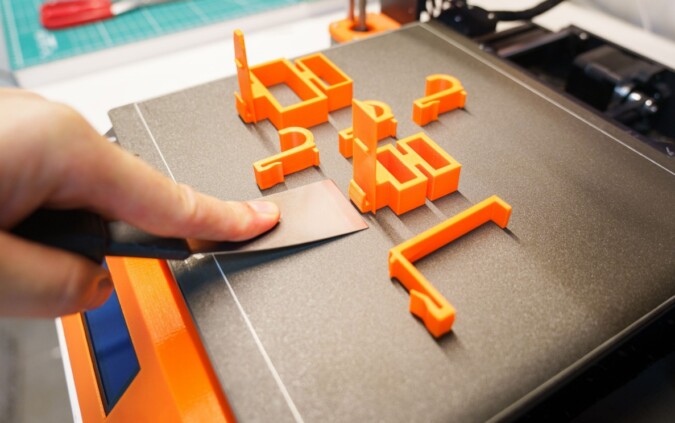
3D printing has become an important manufacturing method for science fiction props, fantasy accessories and other objects with unusual shapes.
Instead of carving every component by hand, designers create a digital model that a printer builds layer by layer.
Large objects can be divided into smaller sections, printed separately and assembled afterward.
One well-documented example is Stormbreaker, the hammer used in Avengers: Infinity War. According to Formlabs and Marvel Studios property master Russell Bobbitt, the prop was 3D printed in 34 separate pieces before assembly.
3D printing is also useful for creating molds. A workshop can print an original shape, make a mold around it and produce additional copies using silicone or resin.
However, not every printed component is ready for filming immediately. Visible layer lines may need sanding, and the finished object may require reinforcement, paint or additional mechanical parts.
How Metalworking Technology Is Used in Movie Props
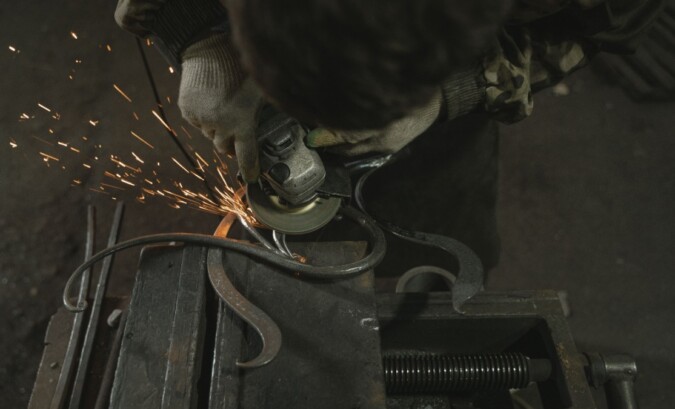
Metalworking is particularly useful when a prop requires rigid structures, mechanical movement or components that must withstand repeated handling.
Workshops may use aluminum, steel and other metals for internal frames, decorative panels, brackets and moving assemblies.
Laser Cutting for Detailed Metal Components
Laser cutting uses a concentrated beam to cut material according to a digital design. It can produce precisely shaped components without requiring every edge to be cut manually.
For example, metal laser cutting machines can manufacture sheet metal parts such as brackets, decorative panels and mechanical fittings. In prop fabrication, similar technology is useful when a design includes multiple matching metal components or intricate patterns.
A science fiction control panel might combine laser-cut metal plates with plastic buttons, internal lighting and 3D printed covers.
Actual metal cutting capabilities depend on machine power, material and thickness. Not every laser cutting system is designed to cut metal.
CNC Machining for Mechanical Parts
Computer numerical control, or CNC, machining uses programmed equipment to remove material and create a specified shape.
It is useful for accurately manufactured components such as rotating parts, fitted housings and metal assemblies.
For example, a mechanical prop containing moving sections may require custom parts with consistent dimensions. CNC machining helps manufacturers reproduce those parts when replacements are needed.
Welding and Metal Fabrication
Welding joins metal components to form larger structures. Fabricators can use it to build internal supports for oversized props, furniture or mechanical set pieces.
However, a visible prop does not always need a metal frame. Lightweight alternatives may be more appropriate when actors must carry the object repeatedly or use it during physically demanding scenes.
Why Do Filmmakers Use Foam, Rubber and Resin Instead of Real Metal?
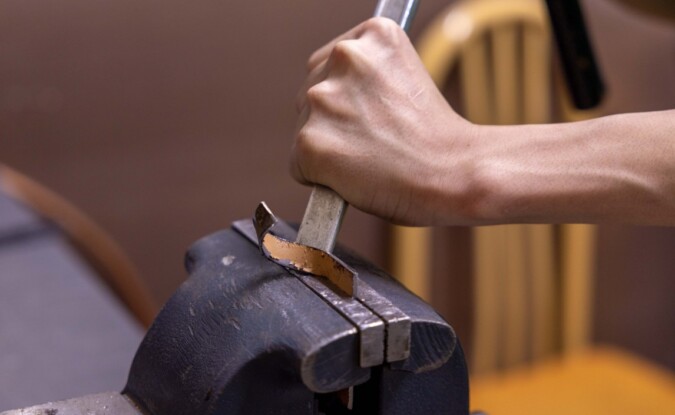
A sword can look heavy and convincing on screen without being manufactured entirely from steel.
For action sequences, prop makers frequently use softer materials to reduce the danger associated with physical contact. Foam and flexible rubber can create the appearance of rigid objects without the same weight or impact characteristics.
Resin is useful for casting detailed decorative parts, including ornaments, artificial machinery and components that imitate metal.
Manufacturers can also apply metallic paint and surface finishes to create the appearance of steel, bronze or aluminum.
According to a Crafts Council description of prop-making work, the profession involves materials ranging from metal and fiberglass to latex, wood and textiles.
Material selection depends on the scene. A decorative object displayed behind an actor has different requirements than a prop handled during a fight.
One Movie Prop May Have Several Different Versions
The object seen in a close-up shot may not be the same version used during an action scene.
Productions can manufacture multiple copies with different construction methods.
The appropriate version depends on camera distance, actor interaction and production safety requirements.
According to fxguide’s report on The Adam Project, the property department also coordinates physical props with visual effects teams when an object needs digital enhancement.
How Are Large Movie Props and Set Pieces Manufactured?
Oversized props can involve a combination of robotic carving, 3D scanning and traditional sculpture.
For example, a production might need a large stone sculpture, unusual architectural feature or oversized creature model. Building the entire object from solid material would make transportation and installation difficult.
Instead, a workshop can machine lightweight foam into the required shape and apply a protective coating.
Wired reported on Robocarv, a British studio that uses 3D scanning and robotic milling to manufacture large objects for film and television productions.
The technology has been used in work connected with productions including Killing Eve and Men in Black: International.
The resulting objects can imitate heavy architectural or decorative structures without carrying the same weight.
Painting and Weathering Give Props Their Final Appearance
Freshly manufactured objects often look too clean for the world portrayed in a film.
A sword belonging to an experienced warrior may need scratches and worn edges. A futuristic control panel in an abandoned spaceship might require dirt, fading and damaged paint.
Prop artists create these effects through surface preparation, painting and controlled weathering.
Common finishing methods include the following.
- Dry brushing. Applying small amounts of paint to raised surfaces to emphasize texture.
- Layered painting. Building several colors to imitate metal, stone or aged materials.
- Surface distressing. Adding controlled scratches and wear where appropriate.
- Protective coatings. Helping finished surfaces withstand handling during production.
Lighting and camera distance also influence the finish. A small detail that looks convincing in person may become difficult to see on screen.
The same relationship between lighting, surfaces and decorative objects appears in interior design inspired by movie sets, where lighting and carefully selected objects help establish the visual character of a space.
How Do Prop Departments Keep Objects Consistent During Filming?
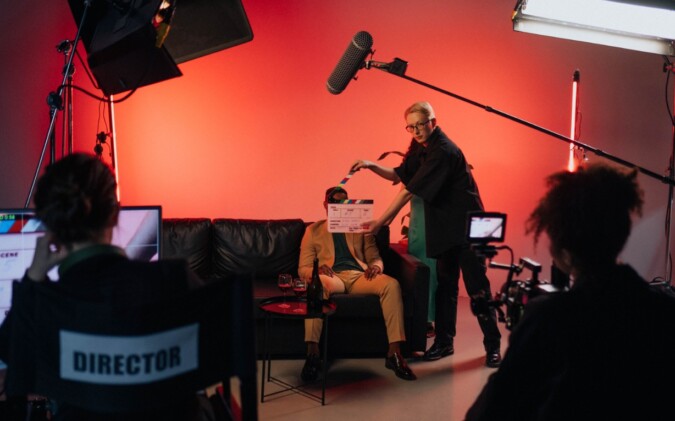
Movies and television episodes are rarely filmed in the same order that audiences watch them.
A scene showing a damaged device may be recorded before an earlier scene in which the device is still intact.
The props department records the condition, placement and required version of each object to maintain continuity.
Photographs and production notes help ensure that scratches, missing components and other visible details remain consistent between shots.
Duplicate props are particularly useful when an object becomes damaged or needs to be replaced.
Digital manufacturing files can also help workshops reproduce components without rebuilding the entire design.
Last Words
Modern equipment has changed how props are produced, but handmade finishing and specialist craftsmanship remain part of the process.
3D printers can build complicated shapes, laser cutters can produce precise components and CNC machines can manufacture mechanical parts. Artists still need to assemble, paint, repair and adapt those pieces for filming.
Film and television productions also continue to use rented, purchased and modified everyday objects when custom manufacturing is unnecessary.
For audiences, the finished prop is simply part of the fictional world. Behind the camera, it may represent several manufacturing methods, multiple prototypes and careful coordination between designers, technicians and performers.