Staring at a massive oak during a howling gale and wondering if it might join you for dinner is a terrifying prospect. Most of us see trees as the majestic backbones of our gardens, offering shade, privacy, and a home for the local squirrels.
However, there is a fine line between a sturdy natural feature and a giant wooden liability waiting for a breezy Tuesday to fall over.
So, do neglected trees actually threaten property safety? Let’s explore how ignoring your garden’s giants leads to trouble and how to avoid that.
Falling Branches and Collapsing Trees
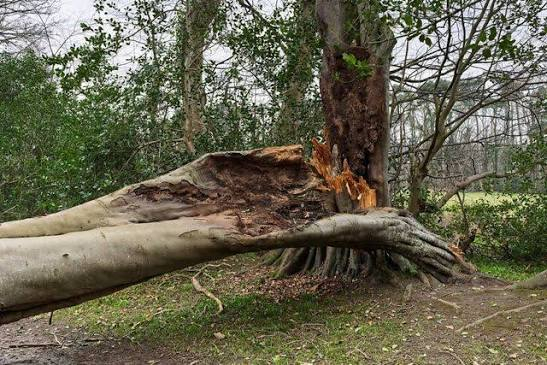
Neglected trees pose a significant risk because the heavy limbs can snap without warning on a windy day.
Large branches that lack proper structural integrity often succumb to the weight of snow or the force of high winds. When these heavy segments break away, they frequently land on sheds, fences, or the main roof of your house.
A collapsing tree is rarely a silent event and usually results in substantial structural damage that requires immediate professional intervention.
Regular inspections help identify weak points before the next big storm decides to test your property’s resilience.
Trees Can Cause Serious Property Damage
Large root systems can wreak havoc on the very foundations of your home if they’re left to grow unchecked for decades.
As trees mature, their roots expand in search of moisture, which often leads to the displacement of soil beneath your driveway. This movement causes paving stones to crack or lift, creating unsightly and dangerous trip hazards around your external living spaces.
If you find your outdoor areas becoming uneven, it might be time to look for local tree surgeons who can assess the situation.
These experts help ensure your garden remains both beautiful and structurally sound throughout the year.
Small Tree Problems Become Expensive Repairs
Ignoring a minor crack in a trunk or a few yellowing leaves can lead to a massive financial headache further down the road.
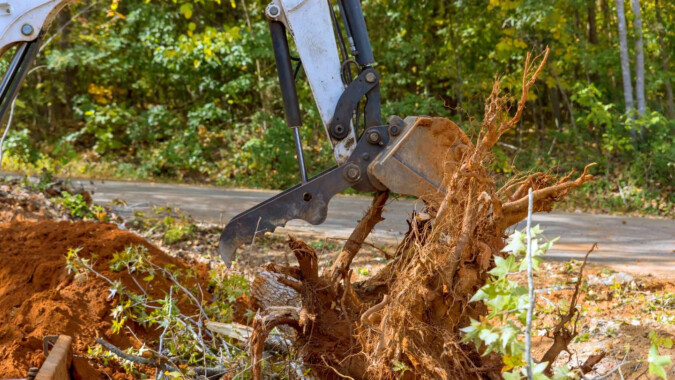
Small issues like localised rot or minor pest infestations are relatively simple and affordable to treat when caught early. But if these problems are allowed to fester, the tree may eventually die, making the removal process much more complex and costly.
The price of a routine pruning session is a fraction of what you would pay to repair a smashed roof or a crushed garage.
Investing in preventative care ensures that your bank account doesn’t suffer a shock when a preventable disaster finally occurs.
Neglected Trees Can Lead to Legal and Financial Problems
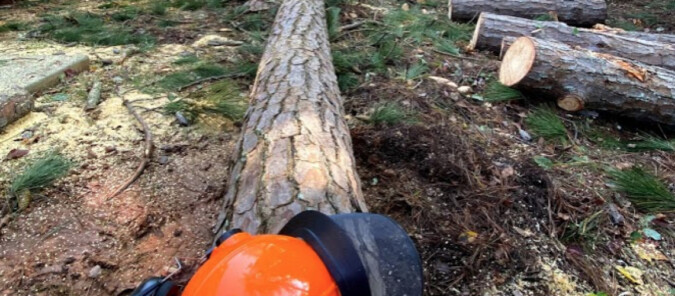
Property owners in the UK have a legal duty of care when it comes to trees on their land. Fail to maintain them, and the consequences of any resulting damage or injury fall squarely on you.
If a neighbour’s fence, vehicle, or property is damaged by a tree you owned and failed to maintain, you may be held liable for the repair costs.
The same applies if someone is injured. Home insurance policies often contain clauses relating to reasonable maintenance, and a claim arising from a tree you knew was problematic could be contested.
The legal and financial exposure is real, and it tends to arrive at the same time as the fallen tree, which is not a good combination.
Trees Can Spread Disease and Structural Decay
A diseased tree is a threat not just to itself, but to every other tree nearby. Fungal diseases, pests, and conditions like ash dieback can spread from an untreated tree to healthy ones across a garden or even a neighbourhood.
Structurally, internal decay is the main issue with neglected trees. A tree can look perfectly healthy from the outside while the heartwood inside is rotting away.
This kind of decay dramatically weakens the tree’s structural integrity without giving obvious visual cues that anything is wrong.
Cankers, unusual fungal growth at the base, or bark that’s beginning to peel are all worth investigating. A professional assessment can identify hidden decay before it becomes a collapse waiting to happen.
Tree Roots Can Damage Underground Utilities
Above-ground damage tends to get all the attention, but tree roots are perfectly capable of causing serious trouble underground.
Water pipes, drainage systems, and even gas and electrical lines can be affected by encroaching root systems, particularly those of trees planted too close to infrastructure.
Root intrusion into drainage pipes is one of the more common and costly issues for UK homeowners. Roots exploit the smallest crack or joint in search of moisture, and once inside a pipe, they grow. Blockages, pipe collapse, and expensive excavation work can all follow.
This is a particular concern with fast-growing species like willows, poplars, and some varieties of ash. Knowing what you’ve got growing in your garden, and where the utilities run beneath it, is genuinely useful information.
Preventing Tree-Related Property Risks
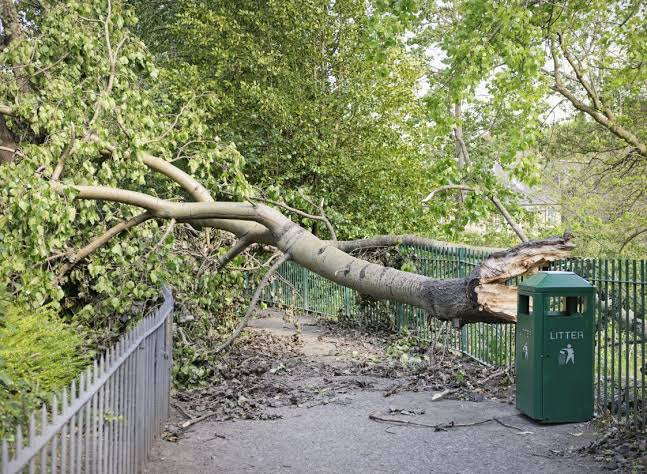
The good news is that tree-related property risks are largely preventable. Regular inspection, timely pruning, and professional assessment when something looks wrong are the foundations of responsible tree ownership.
Monitoring soil moisture levels near the base can also help identify conditions that lead to soil shrinkage. You don’t want dry spells to destabilise the root plate and increase the risk of structural movement.
Additionally, scheduling an annual check with local tree surgeons is one of the most sensible things you can do, particularly if the garden contains mature, established trees.
They can identify structural weaknesses, remove dead wood, manage root growth where necessary, and advise on trees that may pose a longer-term risk.
The goal isn’t to strip your garden bare in the name of safety. Healthy, well-maintained trees are a genuine asset; they add beauty, biodiversity, and value to a property. They just need a little attention to stay that way.
Conclusion
Taking care of your trees might seem like a chore, but it is much better than having an oak peeking into your bedroom.
Keep an eye on those branches, give them a little trim when needed, and your garden will remain a peaceful sanctuary.
After all, the only things falling from your trees should be autumn leaves and the occasional stray tennis ball.