Planning a trip to Germany sounds simple at first. Then you start looking at cities, prices, train routes, and suddenly you have ten tabs open and no clear plan. I’ve been there. So let me walk you through it the way I wish someone explained it to me.
Germany is organized, easy to move around, and fairly balanced in terms of cost. You can keep things affordable or spend more without feeling like you are overpaying. The key is knowing where to go and how to structure your days. Let’s go step by step.
Top places to visit in Germany
Before getting into details, ask yourself something simple. Do you want a fast city trip or a slower experience with smaller towns? Germany gives you both, but mixing too much in one trip can feel rushed.
Berlin, Munich, and beyond
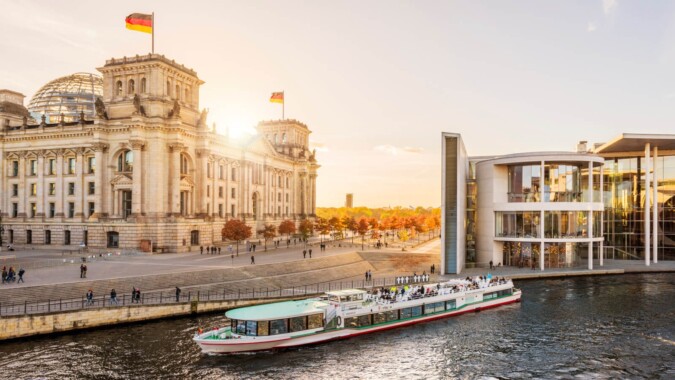
Berlin is usually the first stop, and for good reason. It has history, museums, and neighborhoods that feel completely different from each other. You can spend three full days here and still feel like you missed things.
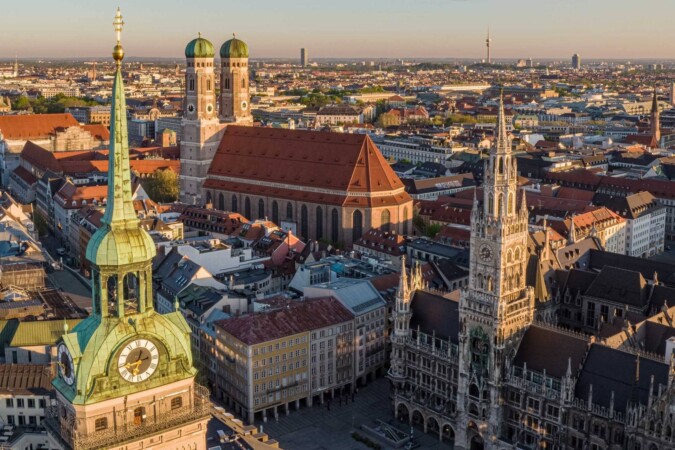
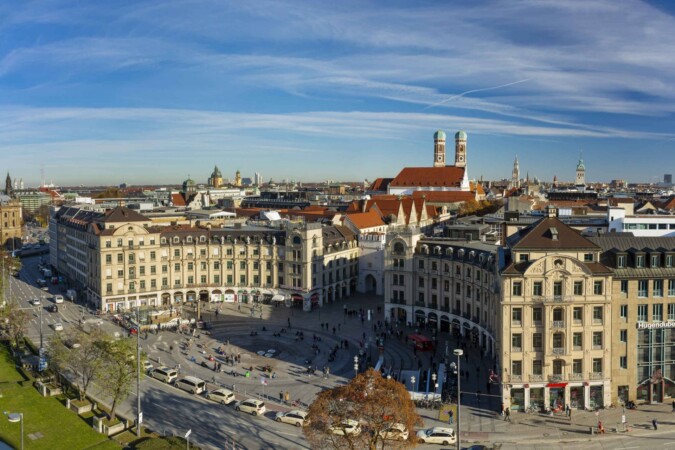
Munich feels more structured. Streets are cleaner, everything runs on time, and it is easier to navigate. If you like order and shorter distances between attractions, you might enjoy it more than Berlin.
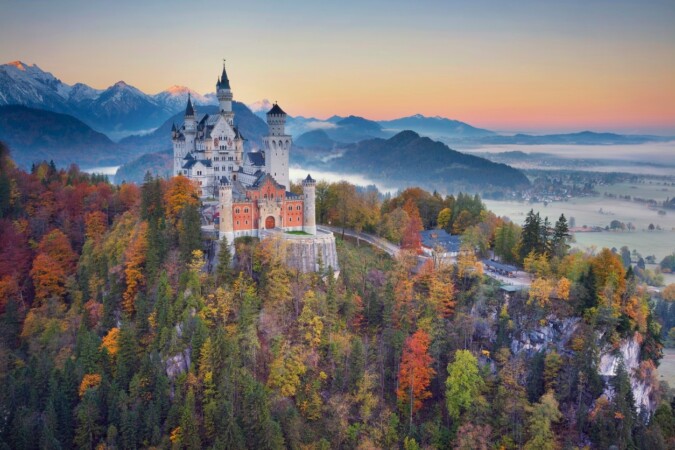
Then there are smaller places. Think about towns like Rothenburg or areas near Bavaria. These are slower, quieter, and honestly more relaxing after busy cities.
Here’s how I usually think about it when planning:
- Berlin if you want variety and history
- Munich if you want structure and culture
- Smaller towns if you want calm days and less noise
Planning your trip realistically
You do not need to visit five cities in one week. That’s the mistake most people make. I did it once, and I spent more time on trains than actually seeing anything.
How to structure your days
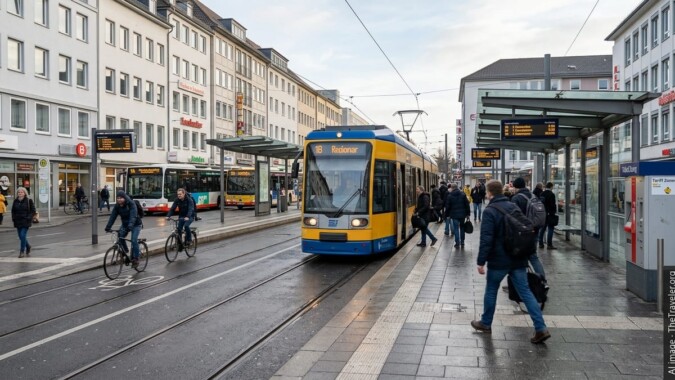
Try to group locations by region. Germany’s train system is efficient, but travel still takes time. Public transport is often the cheapest option, especially within cities.
If you’re unsure how to balance your time, think in simple blocks:
- 3 days in one major city
- 2 days in another city
- 1 or 2 days in a smaller town
That already fills a week without rushing.
When people plan trips, they sometimes include very different types of experiences in one itinerary. People often use platforms like Louisa to combine nightlife, museums, and day trips all at once.
Travel tips that actually make a difference
Let me be honest. Most “travel tips” you read are obvious. Pack light, plan ahead, check the weather. You already know that.
What actually matters in Germany is how you move around and how you plan your days.
Here are a few things that changed how I travel there:
- Use trains for longer distances, but book early
- Walk as much as possible inside cities
- Avoid moving hotels too often
- Plan attractions by area, not by popularity
Important fact: The average daily cost for attractions in Germany is around €26 to €27, so you don’t need a huge budget just for activities
Also, don’t overfill your schedule. One museum per day is enough. I know it sounds obvious, but once you’re there, it’s tempting to do more.
Understanding travel costs in Germany
Let’s talk about money, because this is where people either overestimate or underestimate everything.
Germany is not cheap, but it is not extreme either. It sits somewhere in the middle compared to Europe.
Daily budget breakdown
Here is a simple table to make things clearer:
| Travel Style | Daily Cost (per person) | What to expect |
| Budget | $80 to $90 | Hostels, simple meals, public transport |
| Mid-range | Around $200 | Hotels, restaurants, regular sightseeing |
| Higher-end | $400+ | Premium hotels, tours, dining |
These numbers come from real traveler data and recent estimates.
Food is fairly predictable. You can spend €8 to €15 for a casual lunch and €12 to €25 for dinner. If you mix bakeries, street food, and occasional restaurants, your daily food budget stays reasonable.
What affects your budget the most
This part is important. Your total cost depends more on choices than on the country itself.
- Accommodation type
- City selection
- Travel season
Berlin is usually cheaper than Munich. Winter months can reduce costs significantly, especially for hotels.
How to save money without missing out

I don’t like cutting corners just to save money. But there are smart ways to spend less without changing your experience too much.
Here’s what I personally focus on:
- Stay slightly outside the city center
- Use day transport passes instead of single tickets
- Eat breakfast from local bakeries
- Visit free attractions like parks and historic areas
Germany has a lot of free things to see. Walking through neighborhoods, visiting public squares, and exploring parks can fill half your day without spending anything.
Also, combining activities helps. If you plan your day by area, you avoid extra transport costs and save time.
Did you know
Many people assume Germany is expensive because it’s in Western Europe. In reality, it’s considered moderately priced compared to countries like France or Denmark.
That surprised me the first time I visited. I expected higher prices, but with a bit of planning, it felt manageable.
What I would do differently next time
Let me share something simple. On my first trip, I tried to see everything. Big mistake.
Next time, I would slow down and focus on fewer places. Germany rewards slower travel. You notice more, spend less time commuting, and enjoy the experience more.
I would also budget a bit more for food. Not for luxury, but to try local places without overthinking every meal.
Final thoughts
If you are planning to visit Germany, keep things simple. Pick a few places, plan your routes carefully, and set a realistic budget.
Ask yourself what kind of trip you actually want. Do you want structure or flexibility? Cities or smaller towns? Fast travel or slower days?
Once you answer that, everything else becomes easier.
Germany is not complicated. It just requires a bit of planning and honest expectations.