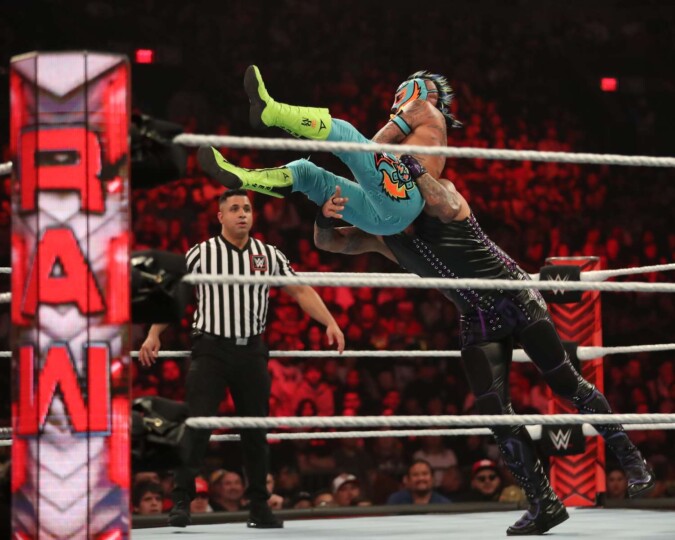
Originally from a low profile as an aspiring wrestler, this visionary’s inspiring story exemplifies the many struggles that wrestlers face when they begin their careers. Through those same struggles, this dreamer turned into a dedicated work ethic at an early age, and he continues to be an innovator in his field today. Many fans use this type of story as a guide for their journey; they believe success comes from hard work and determination to succeed through struggles.
In professional wrestling, Vince McMahon represents not just the pinnacle of innovation and showmanship, but also true perseverance. Vince’s influence on professional wrestling has been enormous, as he was instrumental in establishing what we consider to be “sports entertainment.”
Vince is a prime example of someone who has demonstrated that through dedication and creativity, anything is within reach. Vince continues to be an integral part of shaping the future of professional wrestling for many years to come.
How Wrestling Became a Global Form of Entertainment
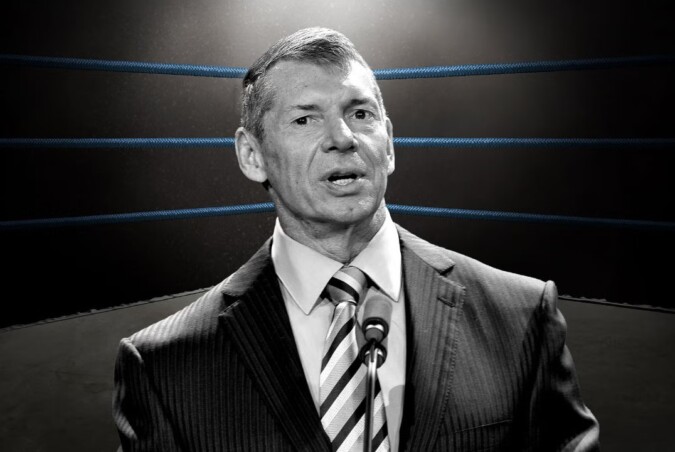
Wrestling did not always exist as a globally unified spectacle. For many years, it thrived as a regional attraction, deeply tied to local promotions and distinct styles. The transformation into a worldwide entertainment phenomenon required a fundamental shift in how wrestling was structured and presented. Matches evolved beyond isolated athletic contests into chapters of larger narratives, where characters, rivalries, and long-term storytelling became just as important as physical ability.
This evolution introduced a new creative standard. Wrestlers were no longer judged solely by technical skill, but by their ability to connect emotionally with audiences. The ring became a stage, and performers became storytellers as much as athletes.
Key elements that elevated wrestling’s presentation included:
- Character-driven narratives, allowing fans to emotionally invest in heroes, villains, and long-term rivalries.
- Expanded production value, using music, lighting, and entrances to heighten drama and anticipation.
- Story continuity, where outcomes mattered beyond a single match and shaped future events.
These innovations raised expectations across the industry. Wrestlers adapted by developing more nuanced personas, and audiences became more engaged, forming deeper, longer-lasting connections with the product.
Overcoming Adversity
No long career in wrestling exists without turbulence. Physical injuries, public scrutiny, backstage politics, and shifting public opinion are constant pressures within the industry. Many prominent figures have faced illness, controversy, or professional setbacks that threatened their standing. What separates lasting influence from fleeting success is the ability to respond to these challenges constructively.
One defining strength of this wrestling visionary was the ability to absorb criticism without being paralyzed by it. Setbacks were treated as opportunities for reassessment rather than endpoints. This mindset allowed for repeated reinvention at moments when others might have faded from relevance.
The broader lesson resonates beyond wrestling:
- Challenges are unavoidable in high-pressure careers.
- Growth often comes from recalibration rather than resistance.
- Public failure does not eliminate the possibility of future impact.
By turning obstacles into motivation, this figure became a symbol of resilience, offering a relatable example for anyone navigating professional or personal adversity.
Mentorship and Influence
Legacy in wrestling is not measured solely by championships or ratings, but by the generations that follow. True influence emerges when experience is passed forward. Legendary figures who invest time in mentoring new talent help stabilize and strengthen the industry as a whole.
Mentorship in wrestling goes beyond technical instruction. It includes guidance on performance psychology, audience connection, professionalism, and adaptability. By offering structure and opportunity to emerging performers, seasoned leaders help them avoid common pitfalls and accelerate their development.
This influence creates a ripple effect:
- New wrestlers enter the industry with stronger foundations.
- Locker room culture improves through shared standards and accountability.
- Long-term storytelling benefits from continuity between generations.
Through consistent mentorship and talent development, the industry maintains creative momentum while honoring its roots.
Philanthropy and Community Engagement
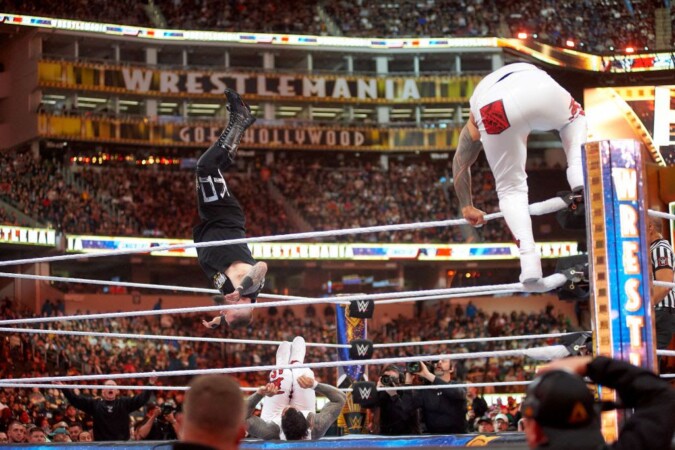
With widespread recognition comes responsibility. Wrestling’s global visibility offers unique opportunities to influence positive change, and this visionary recognized the importance of giving back. Philanthropic efforts extended beyond symbolic gestures, focusing on tangible contributions to youth outreach, health initiatives, and community-based programs.
These actions strengthened the bond between performer and audience, reinforcing the idea that public figures can use their platforms constructively. Fans often connect more deeply when they see influence directed toward causes that matter beyond entertainment.
Community engagement also reshapes public perception of wrestling itself. It highlights the human side of an industry often associated solely with spectacle, reminding audiences that its leaders can contribute meaningfully to society.
Speculations on a Return to WWE
Speculation surrounding a potential return to WWE continues to spark debate and excitement. For long-time fans, the idea evokes nostalgia and curiosity. For newer audiences, it raises questions about how legacy figures fit into a modern wrestling landscape shaped by evolving tastes and values.
A return would likely serve multiple functions. It could reconnect eras, reinforce foundational storytelling principles, and provide context for the current generation of performers. Even without confirmation, the discussion itself reflects the enduring magnetism of this legacy.
The continued interest demonstrates how deeply this figure remains embedded in wrestling’s collective memory, regardless of active involvement.
Cultural Influence Beyond the Ring
Professional wrestling has always existed at the crossroads of sport, theater, and popular culture. What elevated it further was the understanding that wrestling does not live only inside arenas or weekly broadcasts. Its stories, characters, and language seep into everyday life, shaping how fans talk, think, and even view conflict and ambition. This visionary recognized early on that wrestling could influence culture far beyond the ring.
Wrestling catchphrases entered mainstream language. Larger-than-life personas inspired films, television formats, and even marketing strategies in unrelated industries. The structure of long-term feuds and dramatic payoffs influenced how audiences learned to follow serialized storytelling across entertainment platforms.
That cultural reach shows up in subtle but powerful ways:
- Fans often describe personal challenges using wrestling metaphors, framing life as a series of setbacks, comebacks, and defining moments.
- Media storytelling borrowed wrestling’s emphasis on character arcs, anticipation, and emotional payoff.
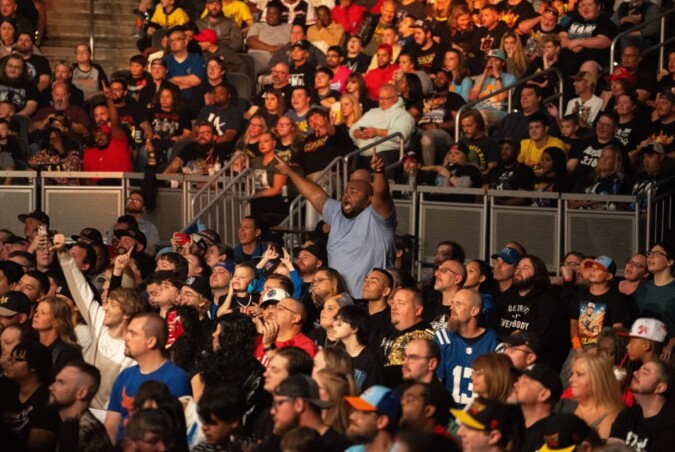
- Live-event culture adopted wrestling’s sense of spectacle, crowd participation, and shared emotional release.
This broader influence helps explain why wrestling remains relevant across generations. It is not only something people watch, but something they internalize. The legacy endures because it connects performance with identity, turning entertainment into a shared cultural language that continues to evolve.
Enduring Legacy
The lasting power of this story lies in its balance of ambition, adaptability, and influence. Through innovation, mentorship, and community engagement, this wrestling visionary left an imprint that extends far beyond individual achievements. The industry continues to reflect the principles established through decades of creative risk-taking and resilience.
For wrestlers, creators, and fans, the journey offers enduring lessons about reinvention, leadership, and perseverance. That is why the legacy continues to captivate, not as a relic of the past, but as an ongoing influence shaping the future of professional wrestling.