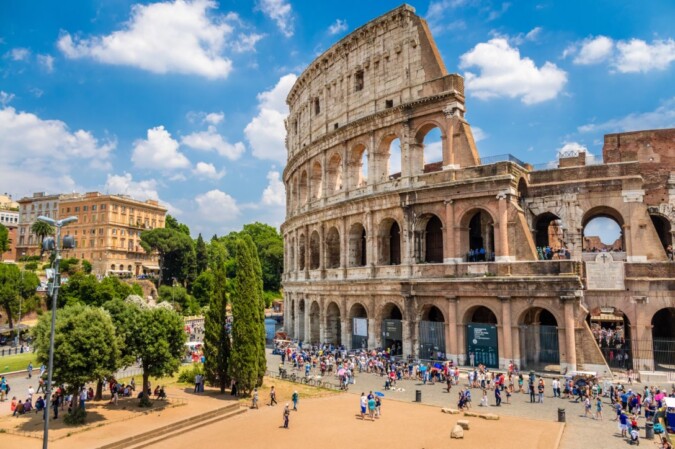
Most people go to Italy with a list. Rome, Florence, Venice. The usual stops. There’s nothing wrong with that, but the trips that stay with you tend to come from smaller, more personal moments. Not bigger attractions, just better choices.
If you want your trip to feel more personal, shift your focus from places to experiences. That means doing things where you’re involved, not just observing. Italy makes that easy if you know where to look.
What follows is a way to approach travel here that feels grounded and real, without trying too hard to chase “authenticity.”
Start with experiences, not landmarks
If you build your itinerary around experiences instead of sights, everything changes. You still see the landmarks, but they stop being the main event.
One of the simplest ways to do this is through food. Not just eating in restaurants, but actually participating. Book a cooking class in Verona and spend a few hours learning how dishes are made, and more importantly, how people think about food locally.
It’s structured but still relaxed and a great way to spend the day.
This kind of activity works because it slows you down. Instead of moving from one attraction to another, you stay in one place long enough to understand something properly. That’s where trips start to feel more personal.
A more meaningful trip usually comes from fewer activities done with more attention, not more activities done quickly.
Go a few streets away from where everyone else is
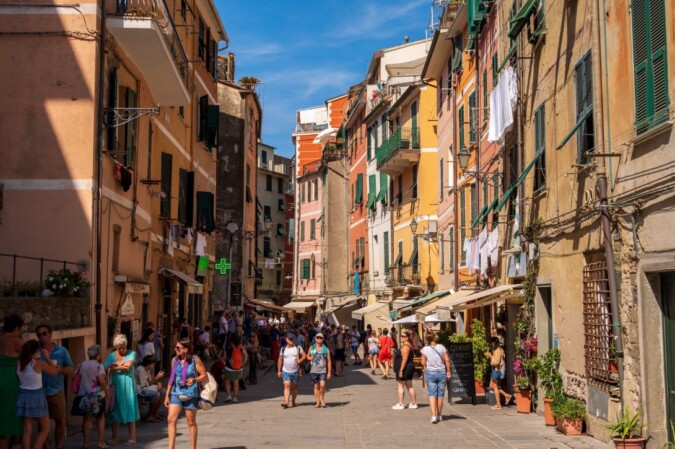
This sounds obvious, but most people don’t actually do it. They stay close to main squares, main restaurants, and main routes.
If you walk even five minutes away from those areas, things change. Restaurants stop trying to pull you in. Menus get shorter. Prices adjust. The pace shifts.
Research supports this idea. Choosing smaller streets and local areas often leads to better food and more genuine experiences.
Try this approach:
- Walk without a destination for 20–30 minutes
- Turn away from shops that feel designed for tourists
- Sit somewhere simple and stay longer than planned
You don’t need a hidden gem list. Just create space to notice what’s already there.
Choose one “hands-on” experience in every city
Most itineraries are passive. You walk, look, take photos, move on. Adding even one hands-on activity per city changes the rhythm of your trip.
These don’t need to be complicated. Simple options work best:
- A small food tour across a few local spots
- A vineyard visit where you talk directly with the owner
- A short workshop like pasta making or cheese tasting
People consistently mention these types of experiences as the most memorable, especially when they involve interaction rather than observation.
Why this matters
| Type of Activity | What You Get | How It Feels |
| Sightseeing only | Visual memory | Fast, sometimes repetitive |
| Hands-on experience | Interaction + context | Slower, more personal |
| Mixed approach | Balance | More complete trip |
The goal isn’t to replace sightseeing. It’s to balance it so the trip doesn’t blur together.
Spend time in places that aren’t on your original plan
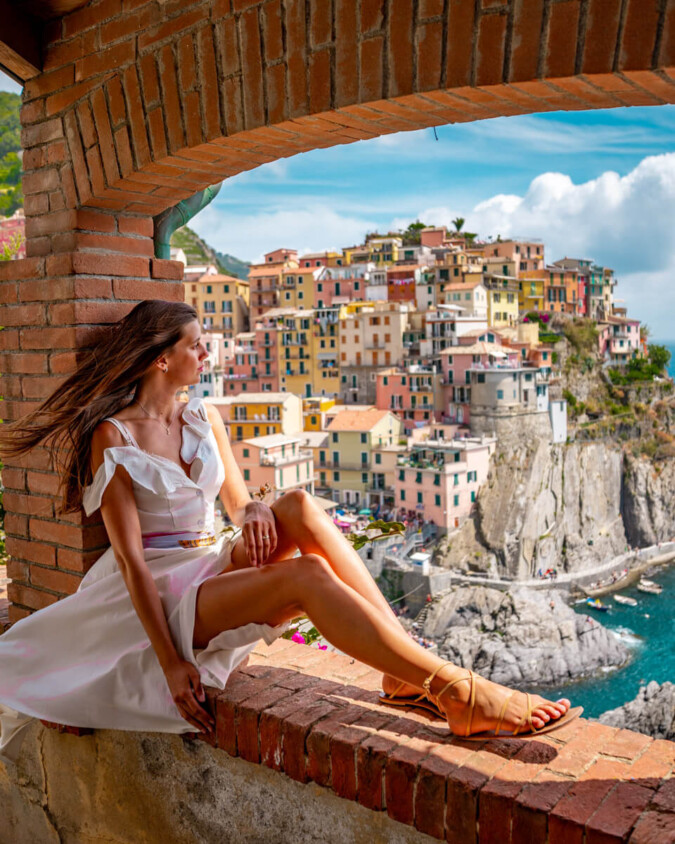
Some of the most personal travel moments happen in places you didn’t plan to visit.
Italy has plenty of well-known cities, but it also has smaller towns and quieter areas that are just as interesting. Going slightly off your route, even for half a day, can change how the whole trip feels.
Travelers often find that these less crowded places offer more relaxed experiences and stronger local character.
A simple way to do this
Pick one of the following:
- A town between two major cities you’re already visiting
- A neighborhood outside the historic center
- A countryside stop for a few hours
You’re not trying to “discover” something. You’re just giving yourself a different pace and perspective.
Use food as your way into the culture
Food is the easiest entry point into daily life in Italy. As a part of the cultural experience or a date night with your partner you can enroll in cooking class in Rome ,where you begin to recognize ingredients, techniques, and even regional differences and it is a well spent time.
This builds naturally over time. A meal becomes more than just a meal because you know what went into it.
Italy’s food culture is deeply tied to place and tradition, which is why engaging with it directly makes travel feel more connected.
Slow down your daily schedule
One of the most common mistakes is overplanning. Italy looks compact on a map, but each place takes time to absorb.
Instead of filling every day, leave space between activities. That space is where small, unplanned moments happen.
Here’s a practical structure that works:
- Morning: one major activity
- Afternoon: open time or one flexible plan
- Evening: dinner without rushing
This approach helps you notice details you’d otherwise miss. A quiet piazza in the early morning or a casual conversation during dinner can end up being more memorable than a major attraction.
Mix well-known places with quieter experiences
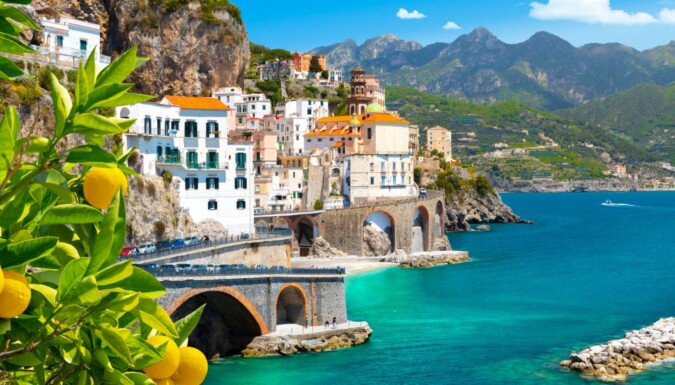
You don’t need to avoid famous places. You just need to approach them differently.
Visit major landmarks early or late in the day, then balance them with something quieter. This keeps your energy steady and your experience more varied.
For example:
- Morning at a major site
- Afternoon in a residential neighborhood
- Evening at a small local restaurant
This mix prevents the trip from feeling repetitive. It also helps you see different sides of the same city.
A balanced itinerary doesn’t remove popular places. It just puts them in context.
Pay attention to how you move through places
The way you move matters as much as where you go.
Walking is the simplest and most effective option. It naturally slows you down and helps you notice details. Trains between cities are also useful because they connect places without isolating you.
Avoid trying to optimize every route. Efficiency often removes the small moments that make travel feel personal.
Even something as simple as choosing to walk instead of taking a taxi can change how a place feels. You see transitions, not just destinations.
Conclusion
A more personal trip to Italy doesn’t come from finding secret places or doing something unusual. It comes from changing how you approach what’s already there.
Focus on experiences where you’re involved. Give yourself time to slow down. Step away from crowded areas, even briefly. Add one or two activities that require participation, not just observation.
Italy already offers everything you need. The difference is in how you move through it.
If you keep your plans flexible and your attention focused, the trip naturally becomes more personal without forcing it.