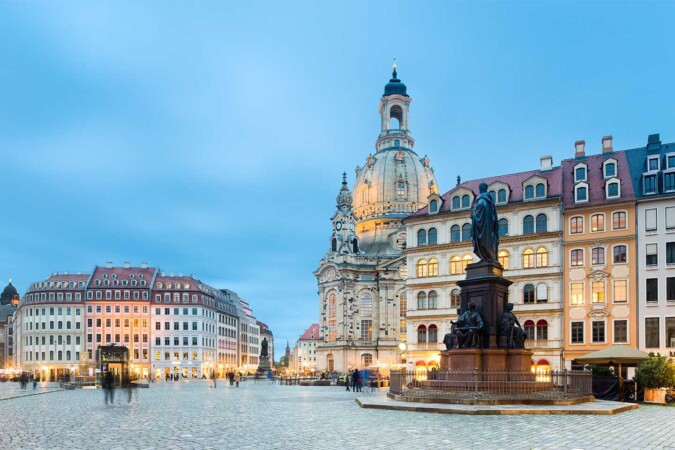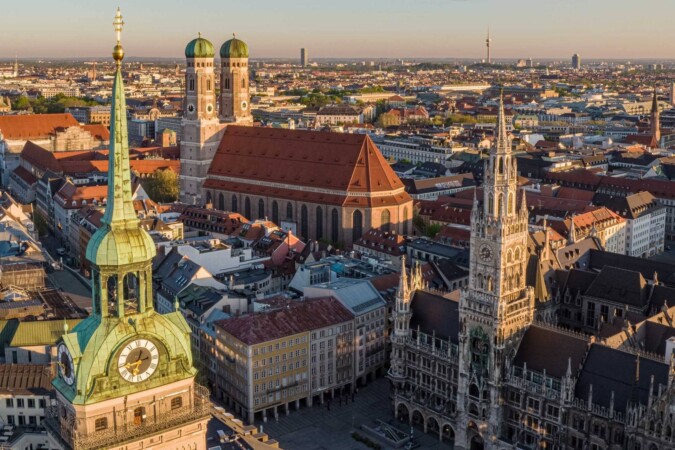

A city can feel perfect during a week-long vacation. Cafes seem inviting, public squares feel lively, and every neighborhood offers something new.
Daily life introduces a different set of concerns, including rent payments, paperwork, work schedules, taxes, healthcare, grocery costs, and long commutes.
Interest in international relocation has increased.
An October 2025 survey found that 1 in 10 Americans was considering a move abroad, and 38% of that group named Europe as the preferred destination.
Careful planning can turn a vacation idea into a realistic relocation plan.
Find a Legal Way to Stay
Tourist access does not provide a legal basis for permanent residence or employment. Non-EU citizens usually need a long-term visa, followed by a residence permit, work permit, or both.
- Employer-sponsored work visas
- Student visas
- Retirement visas
- Investment permits
- Self-employment visas
- Digital-nomad visas
- Partner or family reunification permits
- Citizenship based on ancestry
Requirements commonly include proof of sufficient funds, private or public health insurance, confirmed accommodation, and a clean criminal record.
Some applications also require translated documents, medical certificates, educational records, or proof of professional experience.
Work permits can be especially difficult to obtain. Local employers may need to show that no suitable citizen or EU applicant was available before hiring someone outside the bloc.
Professionals in technology, engineering, healthcare, finance, and other shortage occupations may have better prospects.
Application timelines can run several weeks or several months. Temporary residence permits often last one to five years and must be renewed before expiration.
Renewal may depend on continued employment, income, insurance, housing, or compliance with minimum-stay rules.

Inform Yourself About the Local Conditions
Many countries require local registration within days or weeks. Missing a deadline can lead to fines or problems with residence renewals.
- Registering a local address
- Collecting residence documents
- Enrolling in healthcare
- Opening a bank account
- Applying for a tax number
- Setting up electricity, water, heating, and internet
- Registering children for school
- Exchanging or validating a driver’s license
Healthcare rules vary across Europe, so new residents should check their eligibility, enrollment deadlines, coverage levels, and monthly contributions soon after arrival.
People relocating to Germany can consult audelio.de to compare private health insurance options and learn how coverage may differ based on employment, income, age, and family status.
English may work in international offices and tourist districts, but local language skills often matter when dealing with landlords, doctors, government offices, tradespeople, and neighbors.
Integration also requires relationships outside expatriate circles.
Local clubs, sports groups, volunteer programs, professional associations, and neighborhood events can provide more lasting connections.
Small frustrations involving customer service, bureaucracy, communication styles, working hours, or social expectations can build over time. Patience and realistic expectations make adjustment easier.
Limited jobs, weak infrastructure, language barriers, and difficulty building community ties can push newcomers to leave smaller towns even after receiving financial support.
Choose the Right City for Your Lifestyle

City selection should involve more than architecture, nightlife, and tourist attractions. Cost, employment, housing, healthcare, safety, transportation, climate, language, and visa access all affect long-term satisfaction.
Several popular destinations illustrate how priorities can lead to very different choices.
Lisbon
Lisbon has an active remote-work community and access to Portugal’s D8 visa. Mild weather and coastal access attract many international residents.
Housing has become a major concern, with estimated city-center rent for a one-bedroom apartment reaching €1,200 to €1,700.
Berlin
Berlin has a large startup sector and an established creative economy. International employers may offer opportunities in technology, media, design, and business.
Estimated city-center rent for a one-bedroom apartment ranges between €1,500 and €2,000, and competition for housing can be intense.
Amsterdam
Amsterdam offers high salaries, excellent transportation, and widespread English proficiency.
Housing costs can quickly offset those advantages. City-center rent for a one-bedroom apartment may reach €2,200 to €2,800.
Tallinn
Tallinn offers advanced digital public services, strong internet infrastructure, and a digital-nomad visa.
Estimated rent for a one-bedroom apartment is lower than in many Western European capitals, commonly ranging between €700 and €1,000.
Personal priorities should shape the final decision. Career-focused professionals may accept higher costs for better salaries.
Remote workers may place more value on visa flexibility and reliable internet. Families may prioritize schools, healthcare, safety, parks, and larger homes.
Create a Realistic Budget
Visa fees, document translations, insurance, deposits, temporary accommodation, flights, shipping, transportation, taxes, and utility setup can create a large initial bill.
Budget calculations should use expected take-home income instead of gross salary.
Income tax, social contributions, mandatory insurance, and pension deductions can reduce the amount available for housing and daily expenses.
| City | Estimated monthly cost for one person |
|---|---|
| Bucharest | €800 to €1,100 |
| Budapest | €900 to €1,200 |
| Prague | €900 to €1,300 |
| Krakow | €1,000 to €1,400 |
Skilled professionals in Zurich may earn more than €6,000 net each month, but housing, restaurant prices, transportation, and mandatory health insurance are expensive.
Several costs are easy to underestimate. Rental deposits may equal two or three months of rent.
Temporary housing can cost more than a standard lease. Imported products, international schools, private healthcare, and frequent trips home can also increase spending.
Employment searches, residence approvals, and permanent housing may take longer than planned, so a financial cushion can prevent rushed decisions.
Secure Income and Housing

Visa conditions determine which types of work are permitted. Some permits allow local employment only. Others cover remote work, freelancing, or business ownership. Working outside the authorized category may create immigration and tax problems.
Employer sponsorship can be challenging because many governments prioritize local and EU workers.
Applicants with specialized skills, advanced qualifications, or experience in shortage occupations often have a better chance.
Housing research should begin before arrival. Rental listings can reveal expected prices, deposit requirements, lease lengths, and neighborhood availability.
Copenhagen, for example, combines average monthly salaries of roughly $5,000 to $5,500 with high taxes and an extremely competitive rental market.
- Proof of employment
- Recent payslips
- Bank statements
- A local guarantor
- Residence documents
- Several months of rent in advance
New residents often struggle because they lack local credit history, employment records, or a domestic bank account.
Temporary housing may provide a practical starting point while paperwork and employment documents are completed.
Fraud is another risk. Avoid sending large deposits before confirming ownership, reviewing the contract, and verifying that the property exists. Local rental platforms, licensed agents, relocation professionals, or employer housing programs can reduce exposure to scams.
Be Careful With Relocation Incentives
Several European regions offer financial support to attract new residents, restore abandoned homes, or revive communities with declining populations.
Large advertised amounts can look attractive, but eligibility rules are usually strict.
| Location | Incentive and requirements |
|---|---|
| Calabria | Eligible professionals under age 40 may receive up to €28,000 over three years. Applicants usually need to relocate to a qualifying town and start a business or work in an approved field. |
| Trentino | Selected villages offer up to €100,000 for buying and renovating homes. Funding requires property purchase, renovation obligations, approved locations, and residency requirements. |
| Ireland’s Our Living Islands Program | Grants of up to €84,000 may support renovation of vacant or derelict properties on offshore islands. Applicants must purchase an eligible home and complete approved construction work. |
| Sardinia | Housing grants can reach €15,000, while some families may qualify for monthly payments of €400 to €600 per child. Programs often apply only to smaller municipalities and require permanent residence. |
| Albinen, Switzerland | Albinen offers CHF 25,000 per adult and CHF 10,000 per child. Applicants must meet eligibility rules, invest in qualifying property, and remain in the area for at least 10 years. |
Summary
Moving to a favorite European city requires more than enthusiasm for its food, architecture, or lifestyle.
Legal residence, sustainable income, realistic costs, secure housing, healthcare access, and community integration all influence long-term success.
A good relocation destination is not always the most exciting place to visit. Better choices often come down to practical compatibility.
Legal access must be possible, monthly expenses must fit the budget, and everyday life must support personal and professional goals.